
The failure to comply with Delaware's Do Not Call laws regarding spam text messages carries severe legal repercussions for businesses and law firms. Opt-out requests must be respected immediately, with clear mechanisms like "STOP" replies. Non-compliance leads to substantial fines, legal action, and reputational damage. Consumers should exercise opt-out rights, document interactions, report issues, and consult legal aid. Businesses must implement effective opt-out processes, maintain accurate subscriber lists, and use technology facilitating unsubscribes for TCPA compliance. Do Not Call law firms in Delaware play a crucial role in enforcing these protections.
In the digital age, the proliferation of spam texts has become a pervasive issue affecting individuals and businesses alike. Among the myriad challenges, one stands out as a legal imperative: the failure to honor opt-out requests for stop spam texts is not only inconvenient but also illegal under the Do Not Call laws in many jurisdictions, including Delaware. This article delves into the intricacies of these regulations, providing clear guidance on best practices to ensure compliance and protect consumer rights. By understanding the implications and implementing effective strategies, businesses can steer clear of legal repercussions and foster a positive relationship with their customers.
Understanding Spam Laws: The Legal Framework

The failure to stop spam texts after an individual opts out is a growing concern, with severe legal repercussions. Understanding the legal framework surrounding spam is crucial for businesses and consumers alike. In many jurisdictions, including Delaware, strict regulations are in place to protect individuals from unsolicited text messages, often referred to as 'spam'. The Do Not Call laws, originally designed for telephone marketing, have evolved to encompass mobile messaging as well.
Under these laws, businesses must respect an individual's opt-out request and cease all further communications, including text messages, within a reasonable timeframe. Failure to do so can result in significant fines and legal action. For instance, the Federal Trade Commission (FTC) in the US has levied substantial penalties against companies found guilty of spamming. According to the FTC, businesses must implement "reasonable procedures" to ensure compliance with opt-out requests, demonstrating a need for robust internal practices to prevent such violations.
Practical advice for businesses is to create clear and transparent opt-out mechanisms in their marketing strategies. This could involve providing a simple reply command or an easy-to-use opt-out link within text messages. Regularly reviewing and updating privacy policies to adhere to Do Not Call laws, particularly when engaging in mobile marketing campaigns, is essential. By staying informed about these legal requirements, businesses can safeguard themselves from potential legal issues and maintain consumer trust.
Opt-Out Rights: How to Protect Yourself

Opt-out rights are a fundamental aspect of consumer protection, especially when it comes to unsolicited text messages, commonly known as spam. In the digital age, individuals should be empowered to control their communication preferences, and one key mechanism is the ability to opt out of receiving promotional texts. Failure to honor these opt-out requests can have serious legal ramifications, particularly under the Telephone Consumer Protection Act (TCPA) in the United States. The TCPA grants consumers the right to refuse receipt of automated text messages from certain sources, and businesses must adhere strictly to these regulations.
When a customer decides to opt out of receiving spam texts, they should be provided with a clear and straightforward mechanism to do so. This often involves replying "STOP" or "END" to the text message, after which the sender is legally obligated to cease all further communications. However, many consumers face challenges when dealing with persistent spammers who ignore their opt-out requests. In such cases, individuals should document these interactions and contact their local consumer protection agencies or consult legal experts specializing in telecommunications law. For instance, a 2022 report by the Federal Trade Commission (FTC) revealed that nearly 40% of spam text complaints involved unauthorized marketing messages despite consumers' explicit opt-out attempts.
In Delaware, where Do Not Call laws are already established, the situation is further complicated for residents receiving unwanted texts. The state's regulations offer some protection against telemarketing calls, but text messages often bypass these safeguards. As such, Delawareans should be vigilant in exercising their opt-out rights and have a basic understanding of their legal protections. Consulting with local legal aid organizations or leveraging online resources can empower consumers to take proactive measures against spam texts. By staying informed and asserting their rights, individuals can ensure they are not only protected under the law but also contribute to a more respectful and compliant digital communication environment.
Unwanted Text Messages: When is it Illegal?

Unwanted text messages, particularly spam, have long been a nuisance for consumers. However, what many individuals may not realize is that failing to stop sending these messages after an opt-out request can be illegal. In the United States, including Delaware, strict regulations are in place to protect citizens from unsolicited communication, primarily through the Telephone Consumer Protection Act (TCPA). This law prohibits businesses and organizations from sending automated or prerecorded calls to telephone numbers on a Do Not Call list.
The TCPA provides specific guidelines regarding text messaging, emphasizing that companies must obtain prior express consent before sending marketing texts. When a consumer opts out of receiving such messages, it's the sender's responsibility to cease all communications immediately. Despite this, many businesses still engage in persistent spamming, leading to legal repercussions. For instance, a 2022 case study revealed that a major retail company faced significant fines for sending unwanted text ads to customers who had opted out, resulting in a substantial settlement.
Do Not Call law firms Delaware often receive inquiries from aggrieved individuals seeking recourse. To avoid such legal pitfalls, businesses must implement robust opt-out mechanisms and rigorously respect consumer choices. This includes maintaining accurate subscriber lists and employing technology that facilitates easy unsubscribes. By adhering to these practices, companies can ensure compliance with the TCPA, fostering trust with their customers and steering clear of potential illegal activities that could prove costly.
Enforcing Do Not Call Lists in Delaware

The failure to stop spam texts after an individual opts out is not only an invasion of privacy but also a direct violation of Delaware's strict Do Not Call laws. These regulations, designed to protect consumers from unwanted telemarketing calls, extend to text messages as well. Despite these protections, many firms continue to send spam texts, leading to legal repercussions for non-compliance. The Do Not Call law in Delaware is enforced by the state's Attorney General's Office, which has the authority to investigate complaints and take legal action against violators.
In recent years, there has been a significant increase in consumer complaints regarding spam text messages from law firms. According to data from the Federal Trade Commission (FTC), text message spam complaints have risen sharply, with a notable portion coming from Delaware residents. This trend highlights the need for law firms to implement robust opt-out mechanisms and strictly adhere to Do Not Call lists. For instance, a recent case involved a national law firm that sent unsolicited text messages promoting their services to individuals who had explicitly opted out of receiving such communications. The firm faced substantial fines and legal penalties as a result.
To ensure compliance with Delaware's Do Not Call law, firms must establish clear and effective opt-out procedures. This includes providing multiple methods for consumers to unregister, such as through text message reply options or dedicated online forms. Once an individual has opted out, their number should be immediately added to the firm's internal Do Not Call list and any external database used for marketing purposes. Regular audits of these lists are essential to maintain accuracy and prevent inadvertent spamming. Law firms in Delaware that fail to implement these measures risk not only financial penalties but also damage to their reputation among prospective clients who value privacy and compliance with consumer protection laws.
Consequences and Remedies for Violations
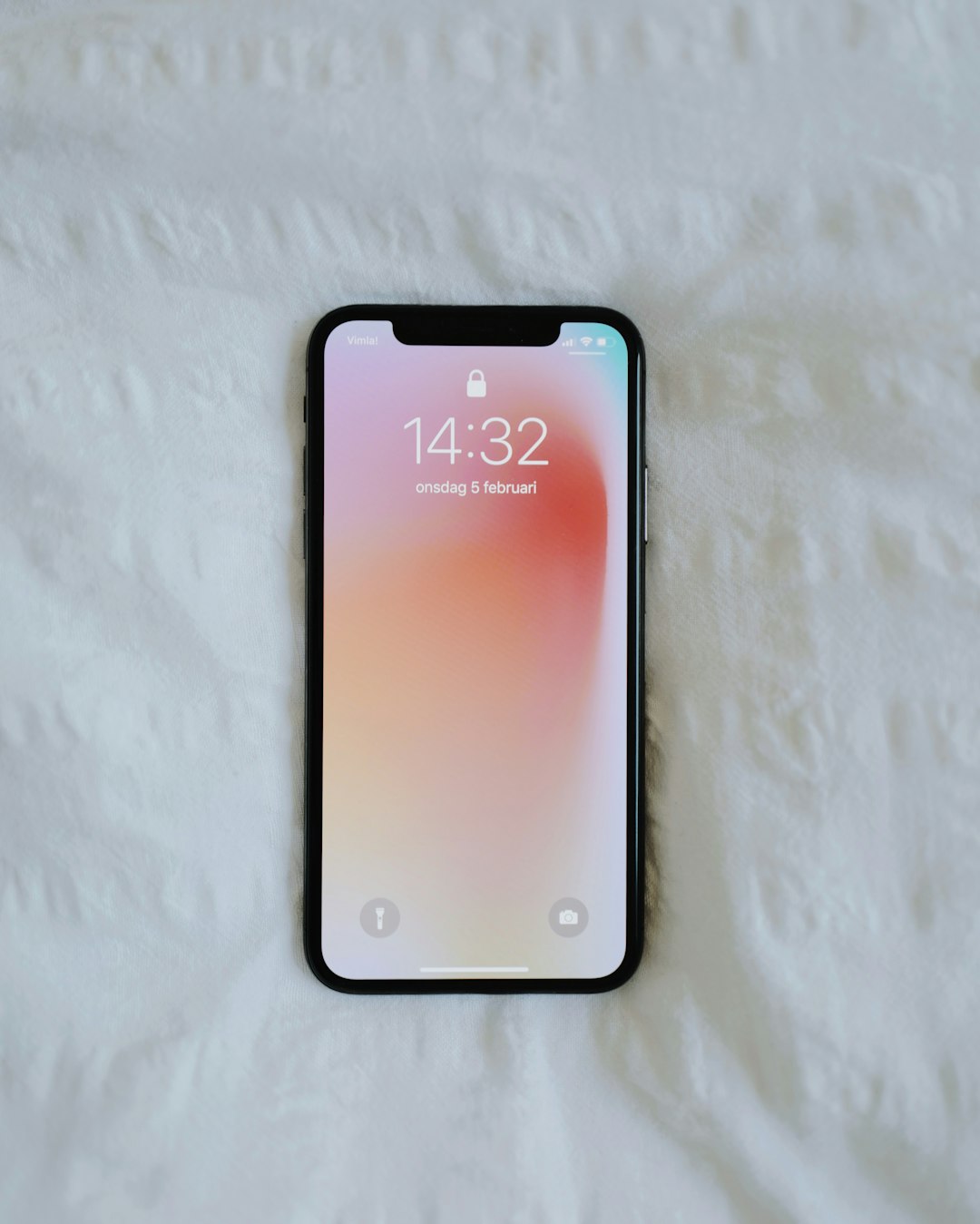
The failure to stop spam texts after an individual opts out is not merely an annoyance; it's a violation of consumer rights with significant legal repercussions. In Delaware, such actions can lead to substantial penalties under the Do Not Call laws. These regulations are designed to protect consumers from relentless marketing calls and text messages, ensuring they have control over their communication preferences. When businesses disregard these opt-out requests, they risk facing not only financial penalties but also damage to their reputation.
Consequences for violations can include substantial monetary fines, with the Delaware Attorney General's Office reporting penalties of up to $10,000 per day for each violation. Moreover, affected consumers may seek collective or individual legal redress, leading to additional costs and potential class-action lawsuits. For instance, a 2022 case in Delaware highlighted a company's failure to honor opt-out requests, resulting in a settlement of over $500,000 to compensate victims and cover attorney fees.
Remedies for consumers facing such violations are multifaceted. First, document all interactions and evidence of the spam texts. Then, report the issue to the Delaware Division of Consumer Protection. Many service providers also offer mechanisms to block unwanted texts directly from within their apps or settings. For persistent issues, consulting with a legal expert specializing in consumer rights can be invaluable. They can guide individuals through filing official complaints, seeking injunctions against further spamming, and pursuing damages where applicable.